News
Kyiv-Mohyla in Europe: Arqus 2026 Conference and Advancing International Cooperation
- Details
- Published on Monday, 20 July 2026 16:10
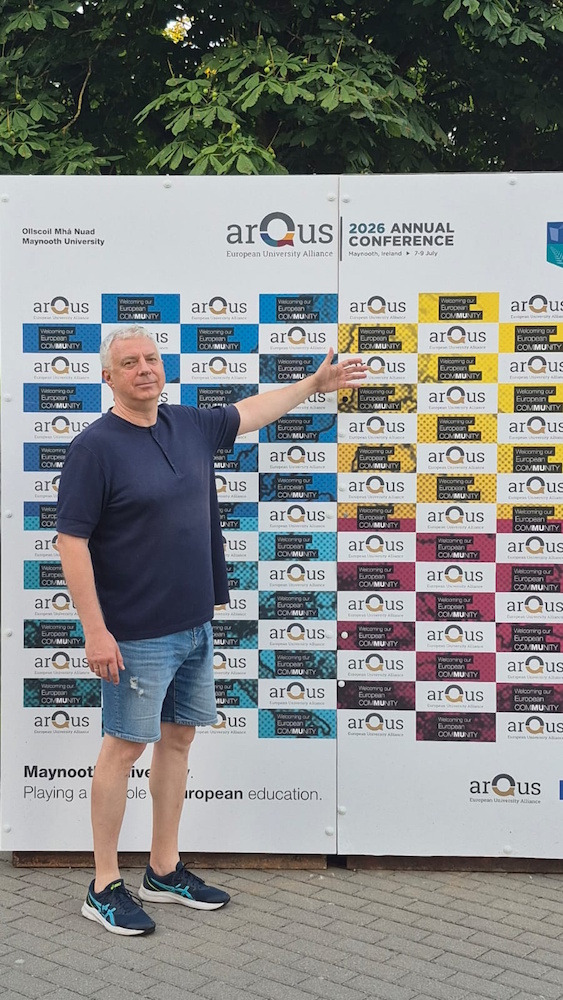
A delegation from the National University of Kyiv-Mohyla Academy (NaUKMA), consisting of President Serhiy Kvit, Vice President for International Relations Larysa Chovniuk, and Head of the Department of Finance Olena Primierova, participated in the Arqus Alliance Annual Conference 2026, entitled “Voices of Impact: Weaving Stories Across Europe.” The conference took place at Maynooth University in Ireland, the country currently holding the Presidency of the Council of the European Union.
The conference explored the experiences of European universities in promoting deeper mutual understanding, strengthening cooperation, and advancing meaningful change in European higher education. Discussions focused on legal models for the further development of the Alliance, the role of students, the expansion and rethinking of international mobility, and the impact of the Arqus Alliance on institutions, communities, and borders. NaUKMA's initiatives and role within the Alliance were also discussed.
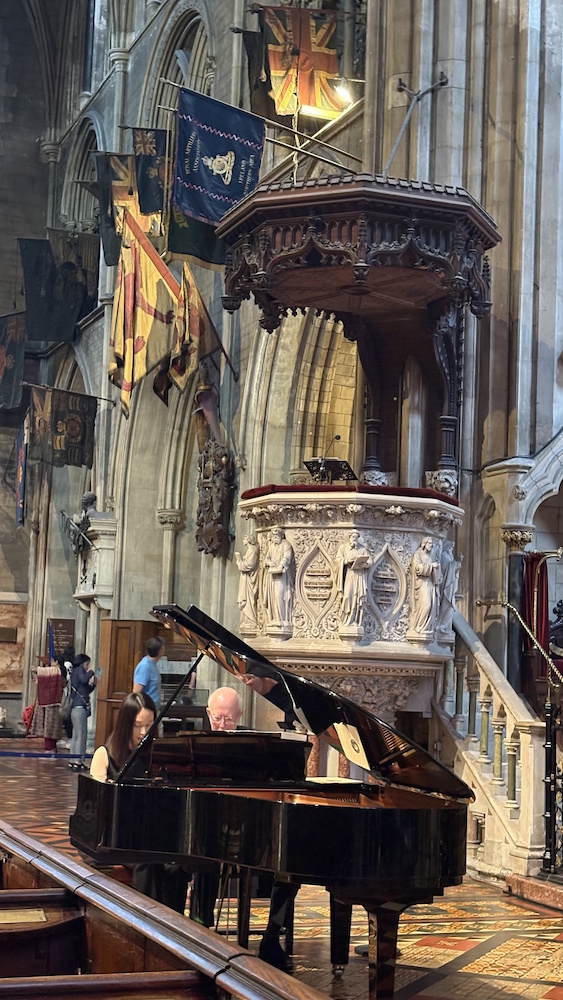
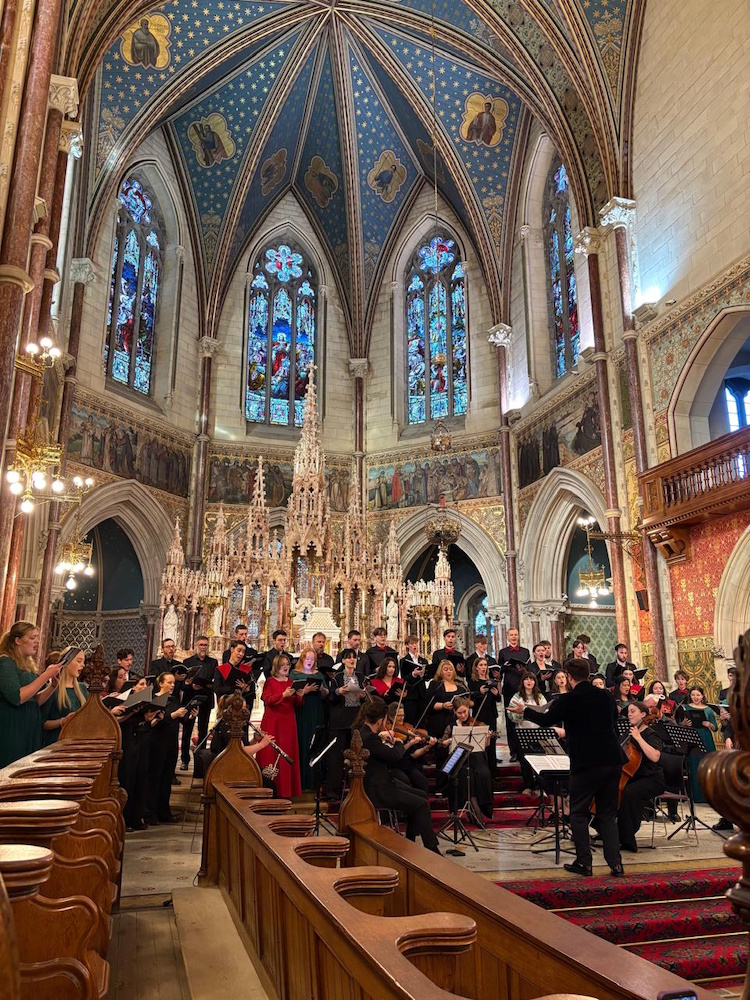
NaUKMA students Kateryna Tomchuk (conductor of the university choir Moment), Anita Morozova, and Marianna Zadachyna took part in the joint choral concert held in the College Chapel of St Patrick’s College at Maynooth University.
Following the conference, at the same venue, Serhiy Kvit participated in the 4th European Universities Initiative Forum, which brought together rectors, university leaders, policymakers, and stakeholders from across Europe. Participants included representatives of the European Commission responsible for education, research, innovation and skills, the European University Association (EUA), the League of European Research Universities (LERU), The Guild of European Research-Intensive Universities, Forum of European Universities for All / Community of Practice of the European Universities Alliances (FOREU4ALL), and the European Students’ Union.
The European Universities Initiative seeks to establish deeply integrated transnational university alliances, each functioning as a cohesive academic ecosystem with a shared strategy, elements of joint governance, common academic programmes, collaborative research projects, shared infrastructure, joint degrees, and micro-credentials.
Forum participants discussed funding, governance, and policy frameworks needed to support systemic cooperation in education, research, and innovation. Speakers stressed the importance of engaging more actively with national governments, reaffirmed the significance of universities’ third mission, expressed concern over insufficient funding, and emphasized that the effective use of institutional autonomy is essential for universities to fulfil their missions of advancing knowledge exchange, fostering innovation, and laying the foundations for a prosperous future for their countries and for humanity as a whole.
Against the backdrop of the current global political crisis, marked by declining trust, the rise of authoritarian populism, and the growing influence of anti-intellectualism, the Forum reflected a palpable sense of concern. University resilience was discussed not only in relation to Russia’s war against Ukraine but also as a broader challenge confronting democratic societies.
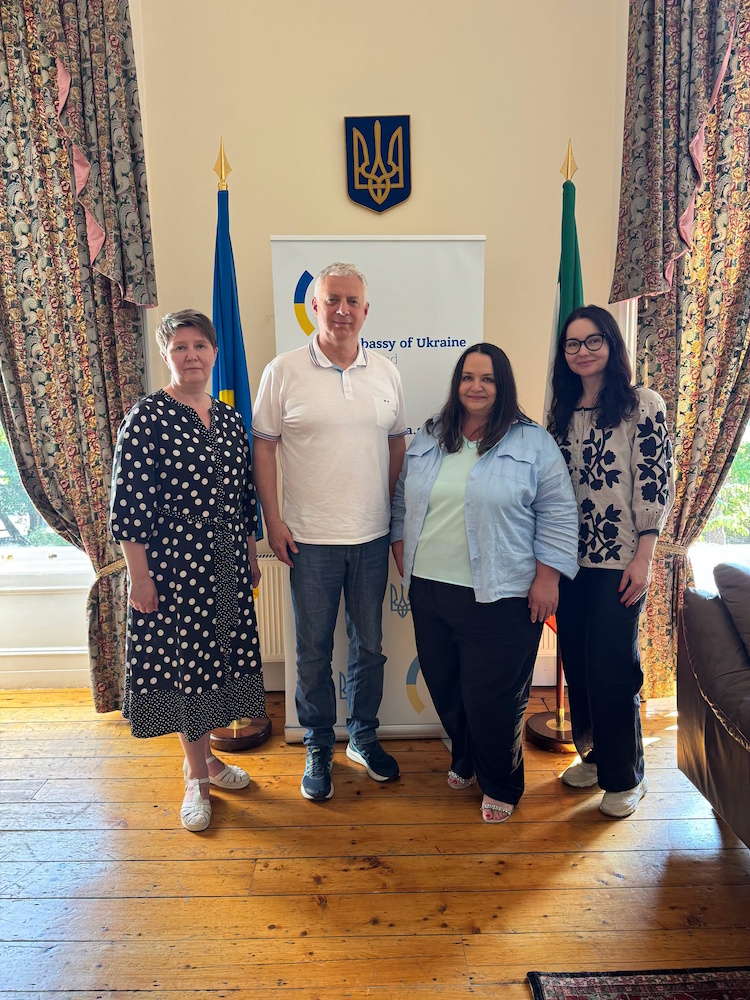
As part of the visit to Ireland, the NaUKMA delegation held a working meeting with Larysa Gerasko, Ambassador Extraordinary and Plenipotentiary of Ukraine to Ireland. The discussion focused on prospects for expanding cooperation between NaUKMA and Ireland’s leading universities, strengthening academic partnerships, and launching joint educational and research initiatives. The meeting confirmed a shared commitment to deepening Ukrainian-Irish academic cooperation and opened new opportunities for ambitious collaborative projects and international initiatives.
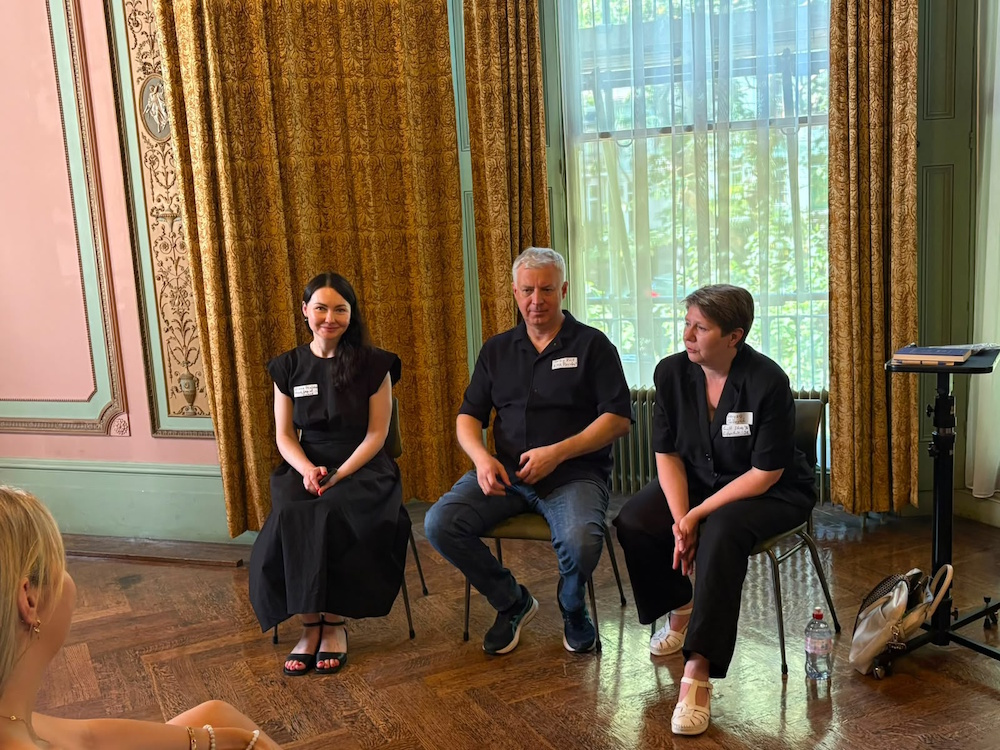
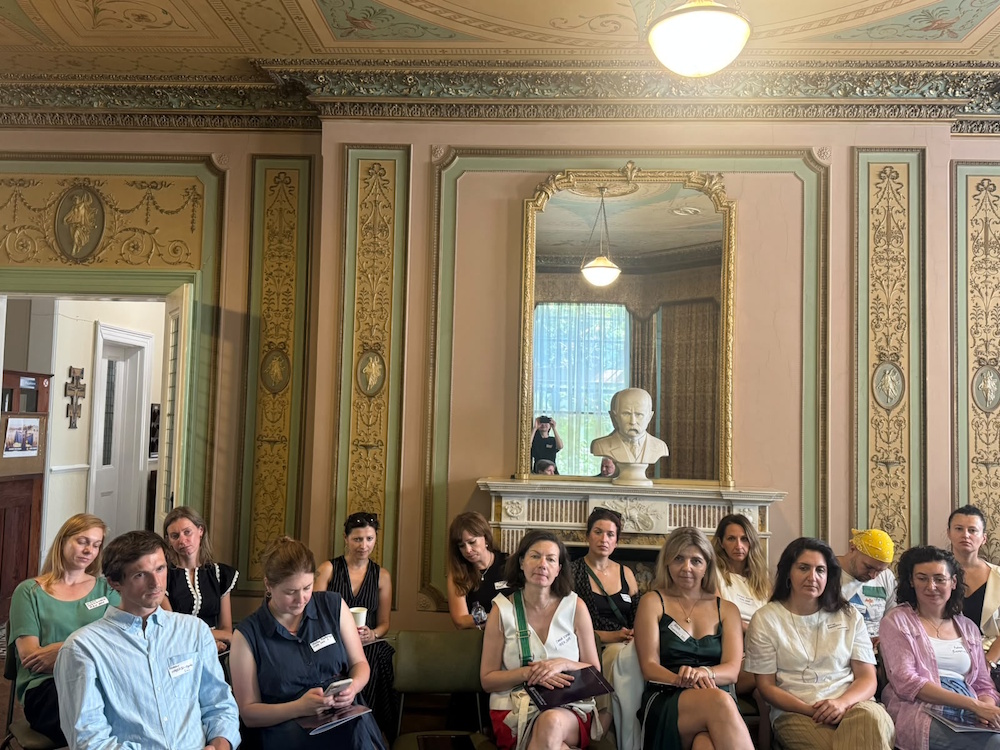
The next event was a productive and deeply moving meeting with Kyiv-Mohyla Academy alumni in London. Members of the delegation presented the NaUKMA Development Strategy 2026–2035, spoke about the University’s achievements, challenges, and prospects during Russia’s full-scale invasion, discussed the strengthening of NaUKMA’s academic and managerial capacities, presented the University’s international educational opportunities within the European Higher Education Area, introduced the Kyiv-Mohyla Global Academy initiative, answered questions, and discussed proposals for implementing joint international educational and research projects, involving alumni in teaching at NaUKMA, and strengthening cooperation between graduates and their alma mater.
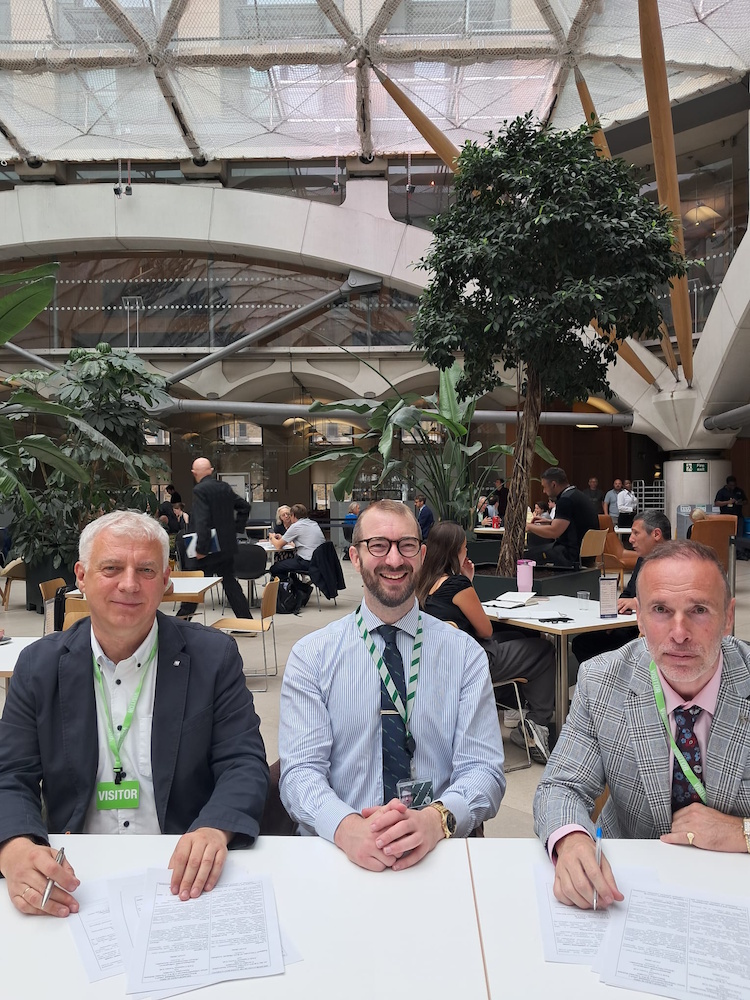
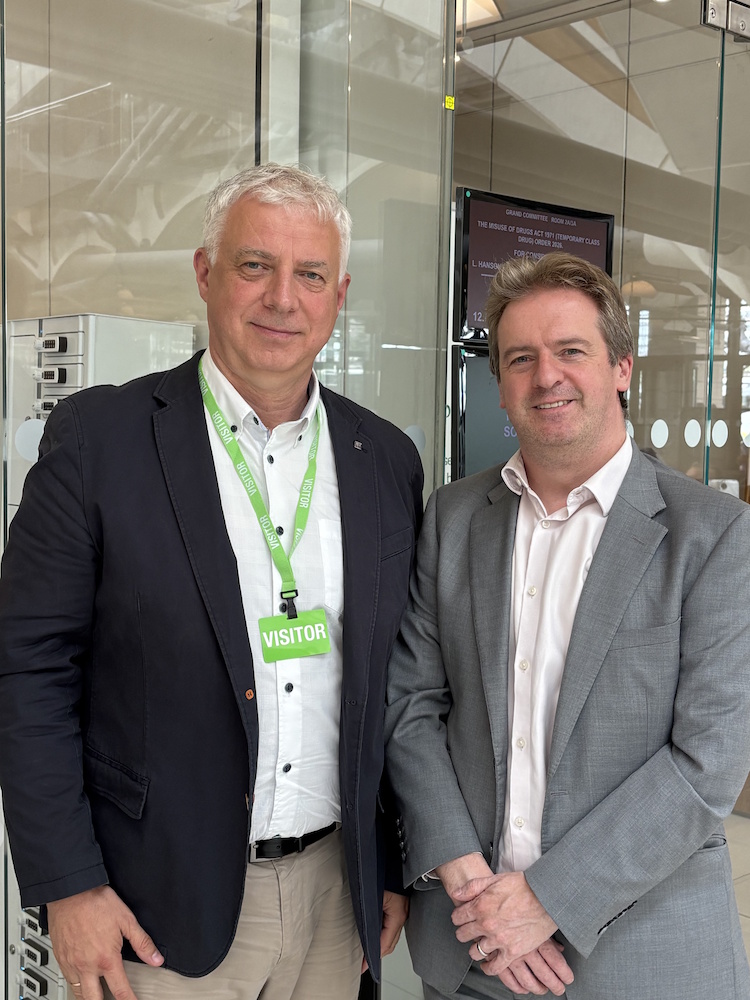
Continuing the programme of the visit, NaUKMA President Serhiy Kvit met with Members of the UK Parliament Will Stone and Graeme Downie at the Palace of Westminster. During the visit, he also signed a Memorandum of Cooperation with Dan Danchenko, Chief Executive Officer of Tech Connecta Vertex Ltd. The principal objective of these meetings was to promote research and innovation cooperation between Ukraine and the United Kingdom by combining university expertise with the R&D capacities of leading companies, fostering innovation ecosystems, supporting technology transfer, and encouraging the development of start-ups.
As a result of Serhiy Kvit’s meeting with University World News editors Brendan O’Malley and Mandy Garner, the parties agreed to establish a systematic partnership dedicated to covering the key developments, challenges, and resilience of Ukrainian higher education during Russia’s full-scale invasion. In fact, this agreement marks the continuation of the cooperation between University World News and Kyiv-Mohyla Academy that began in 2012, during the period when NaUKMA was in confrontation with Ukraine’s then Minister of Education and Science, Dmytro Tabachnyk.
Finally, Serhiy Kvit met with representatives of the educational foundation Ukrainian St Mary’s Trust in the United Kingdom — Executive Director Inna Hryhorovych and Oleksandra Onyshkevych. Their discussions focused on school education and psychological support for Ukrainian children and families. Today, the Foundation supports 15 schools serving more than 3,000 Ukrainian children and their families. The parties agreed to develop further cooperation, including NaUKMA’s participation in educational and research projects with Ukrainian St Mary’s Trust aimed at preserving Ukrainian identity among Ukrainians living in the United Kingdom and promoting NaUKMA’s educational opportunities to Ukrainians who have been displaced abroad as a result of Russia’s full-scale invasion of Ukraine.